

The Ultimate Guide to Bollards
Vehicle theft and crime have been constantly on the rise over the years. It is a crime that occurs all over the UK against all types of cars, making it something you have to watch out for. Vehicle theft is one of the most common types of crime in the UK, even though many car models have become technologically advanced. Unfortunately, with the improvements in technology for vehicles, it hasn’t deterred criminals. In fact, they have only become smarter with their methods to steal vehicles and have adapted to this huge change. Because of this, it has been reported that 61,343 vehicles were stolen in 2024. While this is a small reduction from the previous year, it is twice as much as 10 years ago! This means that in the UK, around 168 cars were stolen every day last year!
This statistic shows just how prevalent car theft and crime are in the country. Due to this, vehicle owners of any type are looking for ways to protect their cars and outsmart the criminals. From using metal boxes or wallets to store keys to stop relay attacks to popping a tracking device in the car, there are so many ways to help protect your vehicle. However, a super effective way to deter criminals from stealing your car and prevent them from driving off with it is bollards. Here at Bison, we are bollard experts and have created this ultimate guide to bollards to help you understand how they work and how they protect your car. We have answered common questions many people have about bollards, from what bollards do to whether they prevent car theft.
What Do Bollards Do?
Have you wondered, “What do bollards do?” and still don’t understand their purpose? Well, bollards are basically a security measure that is versatile and used for many purposes across the UK. They are typically short posts that are made from concrete or metal. Some bollards can be fixed in place, unable to move, while others can be raised from the ground to limit access- known as removable bollards.
They help to reduce unauthorised access, improve pedestrian safety in urban environments, guide and control road traffic and minimise vehicle accidents. They are used in public and private spaces, such as city centres and driveways, to protect people, property and vehicles. Bollards act as a visual barrier to limit access to properties and can even be a deterrent for criminals. Plus, they are usually reflective which means that, even on low-visibility days, they are highly visible to stop accidents from happening.
Do Bollards Prevent Car Theft?
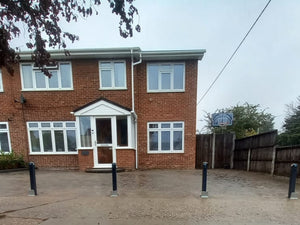
Bollards are very effective at preventing car theft. They not only act as a visual deterrent for criminals to be put off stealing your car, but they also stand at the bottom of your driveway or parking space. This means that no thief will actually be able to drive away with your car because they can’t get out of the driveway or parking space. They can only try to go through or over the bollards, which won’t get them anywhere. Bollards are robust and can take the impact of a vehicle crashing into them. So, if they try, they will only end up damaging the vehicle. Due to this, many thieves won’t even attempt to get past bollards because most want to try and sell the stolen vehicle.
Are Driveway Bollards Effective?
So, are driveway bollards effective? Yes, driveway bollards are highly effective. They prevent car theft on your property and deter criminals from accessing your property as well. On top of this, bollards can also withstand massive impacts from vehicles, with anti-ram bollards being able to withstand impacts from larger vehicles. This protects pedestrians in urban areas from terror attacks and accidents.
Bollards are also effective for guiding traffic in busy areas to minimise the risk of accidents, such as vehicle collisions and accidents involving the public. They are very reflective, so they stand out in all weather conditions. As well as this, bollards are perfect for restricting access to places, such as businesses to keep everyone safe and the property safe, homes to keep vehicles safe and public spaces like parks and pedestrian-only zones.
Can You Put Bollards on the Pavement?
No — not on your own initiative. The pavement, verge and road outside your boundary are public highway, so they are not yours to build on, whether the property behind them is a home or a business. Installing bollards there needs the highway authority’s (your council’s) consent. Without it the bollards are an unlawful obstruction of the highway under section 137 of the Highways Act 1980, and the council can require their removal under section 143. This is a highways matter, not a planning one, so planning permission alone would not make it lawful.
On land you own it is a different question. Bollards under 1m high next to a road used by vehicles, or under 2m elsewhere, are normally permitted development — and that applies to commercial sites and car parks too, not just homes. Business premises do not automatically need planning permission, though it is worth checking the original planning consent for conditions on parking or boundary treatment. Listed buildings, conservation areas with an Article 4 direction, shared drives and leasehold property each change the answer.
Full guide: Do you need planning permission for bollards? — the public highway rules, the 1m and 2m limits and every exception, with the legislation behind each one.
Do You Need Planning Permission for Bollards?
Usually not. Bollards on your own land are normally permitted development if they are under 1m high next to a road used by vehicles, or under 2m elsewhere — but listed buildings, conservation areas, grass verges, shared drives and rented property all change the answer.
Full guide: Do you need planning permission for bollards? — every case explained, with the legislation and an appeal decision behind each rule.
How Much Does It Cost to Install a Bollard?
You may wonder how much it costs to install a bollard and this all depends on the company you use and the type of bollard you want. The bollard itself can range in price from as little as £100 to as much as £2,600. If you get a basic bollard, like a static bollard, this will be cheaper than others. Mid-range bollards, such as removable, fold-down down and drop-down bollards, range in price. However, if you want a specialist solution or an automatic bollard, then you’re looking at the more expensive end of the range. Not to mention the number of bollards you need will affect the price. To help you with cost, Bison supplies some bollards in packs of popular numbers to save money and protect your vehicle.
Now, you can just buy a bollard and install it yourself. However, this isn’t a wise idea because your bollard won’t be as robust and long-lasting. Bollards need to be installed correctly, so it’s best to let professionals do the installation. This adds more cost for labour on top of your bollards. It can typically add around an extra £240 on top of your cost, depending on the type you’re having installed.
Where to Buy Safety Bollards?
Here at Bison, we provide quality ereHerHbollards in a range of styles to suit your needs, preferences and property. From automatic solutions to telescopic bollards, you can easily find the best solution for you. We provide a first-class installation service for many of our products to ensure that your bollards remain sturdy, durable and effective for years to come. As well as this, we can offer you in-depth and clear advice and instructions for DIY installation when needed to make sure that all of our products are effective and robust.
If you have any questions or need more information about our range of bollards, please contact us today and our team of experts will be happy to help.