
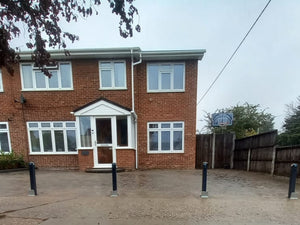

A Guide to Complete Security for Bicycles
For any cyclist, the thought of having your bike stolen is a constant, nagging worry. Proper security for bicycles is about more than just a few tips; it’s a complete strategy, built on decades of British security expertise. As a family-owned business helping protect property since 1972, we understand that creating layers of defence turns your bike from an easy target into a tough nut to crack. It all starts with a great lock and a solid anchor point.
Understanding the Layers of Bicycle Security
Thinking about security isn't just a case of buying the beefiest lock you can find. It's about creating a system that makes a thief's job as difficult, noisy, and time-consuming as possible. At Bison Products, we’ve been helping people protect valuable assets since 1972, and if there’s one thing we’ve learned, it’s that a multi-layered defence is the only approach that truly works. You have to stop them at every turn, from your property line right down to the bike's frame.
The hard truth is that most thefts happen right where we feel safest. The Crime Survey for England and Wales reveals a sobering fact: 62% of bicycle thefts occur at or around the home, with the average stolen bike valued at £487. This just goes to show how vital robust home and driveway protection is – we're talking about much more than a simple padlock on a rickety shed door.
The Three Core Layers of Protection
To really secure your bike, you need to think like a thief. What would slow them down? What would make them give up and look for an easier target? The answer lies in creating successive barriers they have to defeat. Each layer adds time and effort, making your bike far less appealing.
This hierarchy is the bedrock of any effective security plan:
As you can see, real protection begins long before a criminal even gets their hands on your bike. We'll build on this framework throughout the guide, but here's a quick look at how the layers stack up.
Key Bicycle Security Layers At a Glance
| Security Layer | Primary Goal | Examples |
|---|---|---|
| Perimeter | Stop thieves from easily accessing your property. | Fences, locked gates, security lighting, bollards. |
| Anchor | Ensure the bike can't simply be carried away. | Ground anchors, wall-mounted hoops, secure bike racks. |
| Lock | Physically secure the bike frame to the anchor point. | D-locks, heavy-duty chains, Sold Secure rated locks. |
This table neatly outlines the strategy. Let's briefly break down what each of these layers means in the real world.
-
Perimeter Defence: This is your first line of defence. It’s all about securing the entry points to your property – think your driveway, garden path, or side alley. The goal is to make it tough for a thief to even get close to where you store your bike.
-
Anchor Point: The second, and often overlooked, layer is making sure your bike is locked to something completely immovable. Even the world's best lock is useless if a thief can just pick up whatever it's attached to and walk off.
-
The Lock Itself: This is the final layer and the last barrier. The physical lock on your bike needs to be strong enough to resist cutting, picking, and brute force attacks.
By getting all three of these layers in place, you create a truly formidable system. Our detailed guide on secure bike storage solutions dives into these concepts with more practical examples. For a wider view on protecting valuable equipment, this comprehensive guide to asset security is a great resource.
In the next sections, we'll break down each of these layers one by one, offering practical, British-made solutions to protect your prized possession.
Choosing the Right Lock: Your Last Line of Defence
Think of your bike lock as its personal bodyguard. But just like in the real world, not all bodyguards offer the same level of protection. The single most common mistake we see is people investing in a quality bike, only to "protect" it with a cheap, flimsy cable lock.
Let's be blunt: thin cable locks are little more than a visual deterrent. To an opportunistic thief armed with a simple pair of bolt cutters, these locks offer almost zero resistance. They can be snipped in seconds, silently, allowing a criminal to walk away with your bike before anyone even notices. Real security for bicycles starts with choosing a lock made from sterner stuff.
Understanding D-Locks and Heavy-Duty Chains
When it comes to serious protection, two types of locks stand head and shoulders above the rest: D-locks (also known as U-locks) and heavy-duty chains.
These aren't just lumps of metal; they're specifically engineered to resist the common tools of the bike theft trade. Their strength comes down to a few key features:
-
Hardened Steel: Both D-locks and quality chains are forged from specially treated hardened steel. This material is incredibly tough, making it a nightmare to get through with bolt cutters or hacksaws.
-
Complex Locking Mechanisms: The internal cylinders are designed to resist picking, drilling, and bumping. This is what thwarts the more skilled thieves who try to manipulate the lock itself rather than just brute-forcing it.
-
Thick Shackles and Links: The sheer thickness of the steel on a good D-lock or chain is a powerful deterrent in itself. It makes a brute-force attack much more difficult, noisy, and time-consuming.
A thief is always looking for the easiest, quickest, and quietest target. A high-quality D-lock or chain instantly signals that your bike is none of those things, often encouraging them to simply move on.
Decoding the Sold Secure Rating
Here in the UK, the best way to judge a lock's true grit is its Sold Secure rating. This independent, non-profit organisation puts security products through their paces, testing them against a whole variety of attack methods. For bicycle locks, these ratings are your most reliable guide:
-
Bronze: Offers a basic defence against the opportunist thief using simple tools.
-
Silver: Provides a good compromise between security and cost, resisting a more determined attack with a wider range of tools.
-
Gold: A high level of security, designed to withstand a dedicated attack using sophisticated tools and methods.
-
Diamond: The highest level of security available, offering maximum protection against the most aggressive and prolonged attacks.
Crucially, many UK insurance policies will specify a minimum Sold Secure rating (usually Silver or Gold) for your bike to be covered against theft. Always check your policy documents to make sure your lock meets their requirements. To complete a robust security setup with a ground anchor, we recommend a high-quality, weather-resistant model like a heavy-duty CEN 4 rated padlock.
The Right Way to Lock Your Bike
Even the best lock in the world is only as good as the technique you use. A Diamond-rated lock is useless if it's only looped through your front wheel.
Follow these simple but vital steps for maximum protection:
-
Frame First: Always, always pass the lock through the main triangle of your bike's frame. This is the strongest and most valuable part of the bike.
-
Secure to an Immovable Object: Lock your frame to something solid that can't be moved, like a dedicated bike rack, a ground anchor, or a lamppost. Never lock it to something that can be easily cut or lifted, like a small tree or a wooden fence post.
-
Capture the Wheels: Whenever possible, get the wheels secured too. With a D-lock, this often means removing the front wheel and locking it alongside the rear wheel and frame. If you have a long chain, you can loop it through both wheels and the frame.
By investing in a Sold Secure Gold or Diamond rated lock and using the correct technique every single time, you create a powerful last line of defence that most thieves won't want to challenge.
Creating an Immovable Anchor Point for Your Bike
Even the best bike lock in the world, a top-tier Sold Secure Diamond rated beast, is only as strong as whatever you attach it to. This is the single biggest mistake people make. Locking a £2,000 bike to a wooden fence post that a thief can saw through in seconds makes that expensive lock almost worthless.
The goal is to create a truly immovable anchor point. We’re talking about a solid, permanent fixture that forces a thief to tackle the lock itself, not its surroundings. It’s this crucial step that turns a vulnerable spot into a proper docking station, making it practically impossible for a criminal to just pick up your bike and walk away.
Anchor Points for Homeowners
For those of us securing bikes at home, creating a rock-solid anchor point is surprisingly straightforward but incredibly effective. You don't need a complicated setup; you just need something that's fundamentally part of the building or the ground itself.
A couple of the most popular and effective home solutions include:
-
Ground Anchors: These are heavy-duty steel loops or rings set directly into a concrete base in your garage or on a patio. Once that concrete cures, the anchor is going nowhere without some serious heavy machinery. It’s a discreet but powerful security upgrade.
-
Wall-Mounted Hoops: Bolted straight into the brickwork or concrete blocks of your house or garage, these give you a super solid fixing point. The key here is to use heavy-duty security bolts that can’t just be unscrewed.
At Bison Products, we've been helping families secure their property since 1972. We know from experience that a simple, robust solution is almost always the best. A concrete-in ground anchor is a one-time job that delivers a lifetime of security.
Upgrading Your Driveway and Garden Security
If you store your bikes in a shed or outside, a more visible and permanent solution is often the better bet. Our British-made Sheffield Stands are the gold standard for this exact scenario. These simple, tough hoops of steel can be bolted down onto a solid surface or concreted straight into the ground, giving you a reliable fixture for your driveway or garden.
Their design makes it easy to lock the frame and both wheels, which is the best-practice technique that most insurance companies now expect to see. For a more low-profile but equally powerful option, you could consider a telescopic ground anchor which cleverly retracts into the ground when you're not using it.
Solutions for Businesses, Schools and Public Spaces
The security challenge really multiplies when you’re dealing with commercial sites, schools, or public areas. The cycle storage here needs to be more than just secure; it has to be durable enough to handle constant use, potential vandalism, and the good old British weather.
This is where robust, purpose-built bike racks and shelters come in. They do several important jobs at once:
-
Organised Security: They provide a designated, safe place for cyclists to park.
-
Vandal Resistance: Built from heavy-gauge steel and designed with anti-tamper fixings, they’re made to last.
-
Deterrence: A visible, well-kept cycle storage area sends a clear message that security is taken seriously.
The positive impact of this kind of infrastructure is undeniable. Across England and Wales, police-recorded bicycle thefts dropped to 66,960 in the last recorded year. Many credit this long-term fall to better public security like secure bike racks and greater public awareness. You can explore more data on UK bike theft trends to see the full picture. By investing in a proper anchor point, you're not just protecting one bike; you're helping create a more secure environment for every cyclist.
Building a Perimeter Defence for Your Property
Truly effective security for bicycles means thinking beyond just the bike itself. The professional approach is all about layered security, and that starts right at the edge of your property. It's about creating an outer defence that stops a potential thief long before they can even get close to your bikes, shed, or garage.
When you take this approach, your entire property becomes a much harder target. Opportunistic criminals are always hunting for a quick and easy score; a robust perimeter defence sends a clear signal that your home is anything but. This gives you proper peace of mind, not just for your cycles, but for your vehicles and home as well.
How Security Bollards Create an Outer Ring of Defence
Picture this: a thief in a van slowly casing your street. They're looking for homes with open driveways that offer a straight run to garages or sheds where valuable bikes are often stored. Now, imagine your driveway is blocked by a solid, British-made steel security post. The whole dynamic changes in an instant.
A telescopic security bollard creates a powerful and highly visible physical barrier. It blocks vehicle access completely, stopping a van from reversing up to your garage door or a thief from making a quick getaway with your belongings. It's a simple but incredibly effective strategy that thwarts their plans at the very first hurdle.
By denying access to your driveway, you’re not just protecting your car; you're cutting off the primary route for thieves looking to steal high-value items like bicycles, tools, and equipment stored in your outbuildings.
For any homeowner, this first layer of defence is a real game-changer. It's a proactive step that closes a critical vulnerability many people only notice when it's too late.
Perimeter Security for Commercial and Public Spaces
That same principle of perimeter defence is just as vital for commercial sites, schools, and public facilities. Uncontrolled vehicle access can cause all sorts of problems, from nuisance unauthorised parking to the very serious threat of ram-raids. For any facilities manager, strategically placed bollards are an essential bit of kit.
In a commercial setting, they perform several key roles:
-
Preventing Ram-Raids: Fixed or telescopic bollards installed in front of shutters and entrances are a proven deterrent against smash-and-grab attacks.
-
Defining Secure Zones: They can be used to create designated secure areas for employee or public cycle storage, keeping bikes safely separated from general vehicle traffic.
-
Controlling Access: Removable or telescopic posts give you the flexibility to let authorised vehicles in while keeping the area secure the rest of the time.
This all adds up to a much safer environment for staff and visitors, protecting valuable assets – including fleets of company or personal bicycles. As you think about your property's defences, you might also find this comprehensive guide to electric bike storage solutions useful, as it covers options that work perfectly alongside a secure perimeter.
Comparing Bike Security Solutions for Different Needs
| Solution | Best For | Security Level | Typical UK Application |
|---|---|---|---|
| Telescopic Bollard | Homeowners, Commercial Sites | High | Blocking a residential driveway or securing a commercial shutter. |
| Sheffield Stand | Public Spaces, Businesses, Homes | Medium | Providing a secure anchor point in a garden, office car park, or town centre. |
| Wall/Ground Anchor | Garages, Sheds, Private Areas | Medium | Creating a discreet but solid anchor point for one or two bikes. |
| High-Quality Lock | All Users (Essential) | Varies | Securing the bike frame to a fixed anchor point (must be Sold Secure rated). |
By building a strong perimeter, you make it crystal clear to any would-be thief that your property is well-protected and not worth the risk. This foundational layer is the absolute key to a security strategy that actually works.
Getting Installation, Siting, and Maintenance Right
Owning professional-grade security hardware is a fantastic first step, but how and where you install it is what truly counts. Proper installation isn't just a box-ticking exercise; it's a critical part of the whole security system. As a family-owned business helping protect property since 1972, we've seen firsthand how the right placement and a bit of upkeep can make all the difference.
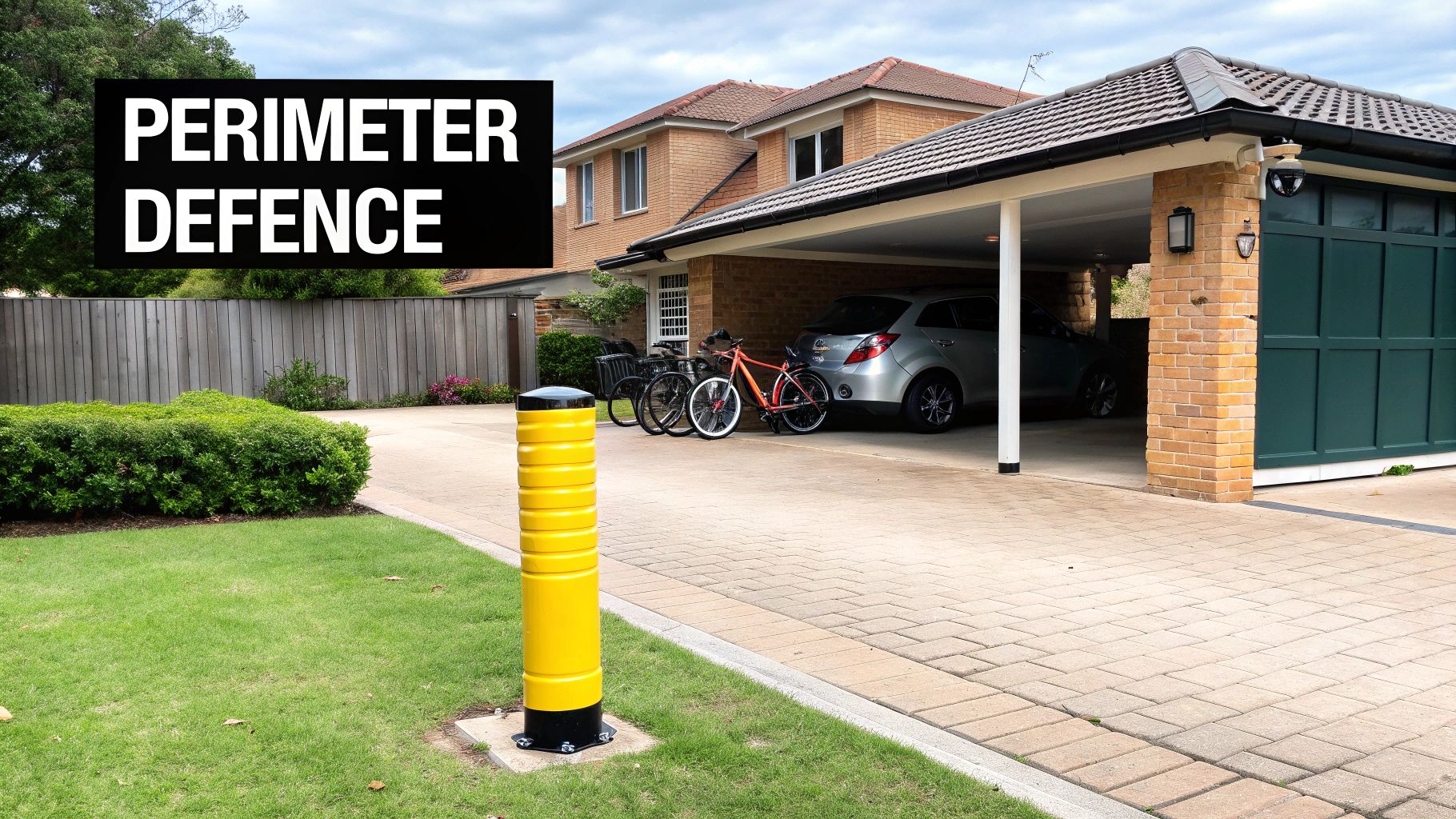
This section is all about the practical side of things. We'll walk you through everything from smart positioning to long-term care, making sure your investment delivers genuine peace of mind for years to come.
Strategic Placement for Maximum Deterrence
Where you install your security kit is just as important as what you install. Thieves thrive on working unseen and getting the job done quickly, so your main goal is to deny them both of those advantages.
-
Visibility is Key: Always site bike racks and anchor points in well-lit, highly visible areas. Putting a Sheffield Stand directly under a security light or in clear view of a window makes a thief's job far riskier. They hate an audience.
-
Consider Natural Surveillance: Position cycle storage where it can be easily seen by passers-by or from neighbouring properties. This simple concept, known as "natural surveillance," is a powerful deterrent that crime prevention experts swear by.
By choosing a location that puts a potential thief right in the spotlight, you make your bikes a much less appealing target.
Critical Installation Considerations
Whether you're a trade professional fitting our gear or using our own nationwide installation service, understanding what's needed for a secure, safe setup is essential. This is especially true when installing ground anchors and bollards.
Before any digging begins, it's absolutely vital to check for underground services. Hitting a water pipe, gas line, or electrical cable is not only incredibly dangerous but can lead to eye-watering repair bills. Always use a CAT (Cable Avoiding Tool) scanner to map out precisely what lies beneath the surface.
"A security product is only as strong as its foundation. Rushing the installation by failing to check for underground services or using a shoddy concrete mix completely undermines the security you've invested in."
Once you've confirmed the area is clear, the foundation itself is the next crucial step. A telescopic bollard or a concrete-in bike rack needs a substantial concrete footing to stop it from being ripped out of the ground. We always recommend following the manufacturer's specifications to the letter; it ensures the installation is rock-solid and your 2-year warranty remains valid.
A Simple Maintenance Checklist
Our British-made products are built to handle whatever the weather throws at them, but a little regular TLC will keep them functioning perfectly, year after year.
-
Clean Regularly: A few times a year, give your racks, bollards, and anchors a wipe-down with a damp cloth. This removes the dirt and grime that can trap moisture and speed up corrosion.
-
Lubricate Moving Parts: For telescopic bollards and their locks, a quick spray of lubricant (like WD-40 or a silicone-based spray) on the locking mechanism every six months prevents it from seizing up, especially during a cold, wet winter.
-
Check Fixings: For any bolt-down products, give the fixings an annual check to make sure they're still tight. Ground movement and constant use can sometimes cause them to work loose over time.
This small amount of effort ensures your security for bicycles remains reliable, providing lasting value and unwavering protection.
Frequently Asked Questions About Bicycle Security
To wrap things up, we've pulled together some of the most common questions we've been asked since we started back in 1972. These are the real-world concerns we hear from customers all over the UK. Here are some quick, straight-to-the-point answers to give you that extra bit of clarity.
What Is the Best Way to Secure a Bicycle at Home?
Forget relying on a single lock and hoping for the best. Proper home security is all about creating layers of defence.
Your first line of defence should always be a Sold Secure Gold or Diamond rated lock. This rating is the benchmark for serious resistance and is often enough to make a thief think twice and move on.
But a great lock is useless if it isn't attached to something solid. You absolutely must anchor your bike to something completely immoveable. A professionally installed ground anchor set into your concrete garage floor or one of our heavy-duty, British-made Sheffield bike racks bolted securely to a brick wall is the perfect solution.
For those who want the ultimate peace of mind, especially if your bikes are kept in a more vulnerable shed or at the front of your property, a telescopic security bollard is the final piece of the puzzle. It creates a physical barrier, stopping a thief's vehicle from even getting near your bikes in the first place. This combination makes your home a very tough nut to crack.
Does My Home Insurance Cover My Bicycle?
Most standard home insurance policies will offer some cover for bikes, but you have to dive into the small print. You’ll often find there’s a pretty low value limit (say, £500) and the cover might only apply when the bike is physically locked up inside your house.
If you have a more expensive bike, you’ll almost certainly need to declare it as a specific high-value item on your policy. Insurers will also insist on specific security measures for the cover to be valid. Typically, this means securing the bike to an immoveable object with a lock that meets a certain 'Sold Secure' rating, both at home and when you're out. Don't get caught out.
Are Bike Shelters Really More Secure?
Yes, without a doubt. A well-designed bike shelter is a massive security upgrade. Its greatest strength is that it creates a single, controlled, and designated area for keeping bikes.
When you pair a shelter with integrated, tough bike racks—like our classic Sheffield stands—it guarantees every bike can be locked up properly, just as security experts recommend. As a bonus, the structure provides fantastic protection from the Great British weather, which helps maintain the condition and value of the bikes themselves.
For any business, school, or public facility, a well-lit, visible shelter is a far stronger deterrent than having bikes chained randomly to railings and posts. It sends a clear message that security is taken seriously and is a vital part of any effective site plan.
Why Should I Choose a Professionally Installed Security Product?
Professional installation is your guarantee that the product you’ve invested in will actually work as intended when you need it most. For big bits of kit like telescopic bollards, ground anchors, or large-scale bike racks, getting the installation right is absolutely critical for both safety and security.
Our experienced, nationwide teams make sure every product is set into the correct foundations. They meticulously check for underground pipes and cables, and ensure the entire installation meets all the necessary British standards.
This doesn't just give you total confidence that your property is protected; it also ensures your 2-year product warranty is fully valid. It's simply the smartest way to protect your long-term investment in high-quality, British-made security.
Ready to create a complete security system for your bicycles? At Bison Products, we offer a full range of British-made security bollards, bike racks, and ground anchors, complete with a professional nationwide installation service.